-
Montane Spruce
Back to Web Atlas
Montane Spruce 
The Montane Spruce Zone is located on a narrow, mid-elevation band in the southern interior of British Columbia. It is mostly forested but also contains many wetland areas. Its cool, dry climate draws many different species of wildlife and vegetation and makes the area an attractive site for recreation activities.
Range
The Montane Spruce is located in a narrow, mid-elevation band (300-400m) in the mountains and plateaus of the dry southern interior of British Columbia; however, in some areas, it is wide spread because of the prevailing elevation of the plateaus is in this elevation band. In wetter areas, it occurs at elevations of 1100-1500m and in drier areas, between 1250-1650m. This zone extends from the Southern Fraser Plateau to northern Washington, Idaho and Montana and east to Alberta. The zone occurs on the Southern Interior Plateau in the Fraser, Thompson and Okanagan areas, on the lee side of the Coast Mountains and in the Southern Rocky Mountains and the Rocky Mountain Trench.
South Fraser Plateau

Climate
The climate of the Montane Spruce Zone is cool, with cold winters, and short dry summers. This type of climate is a result of the zone's high elevations and its location in the strong rainshadow of the Coast and Selkirk Mountains. The average temperature reaches above 10 degrees for only 2-4 months of the year and for 5 months of the year, the average temperature is below zero. Precipitation is low; it varies between 300-900mm a year, the majority being snow. May and June are the wettest months of the growing season; however, still dry which can be a problem in some areas. The extended period of drought in the summer often leads to large, stand-destroying fires.
Vegetation
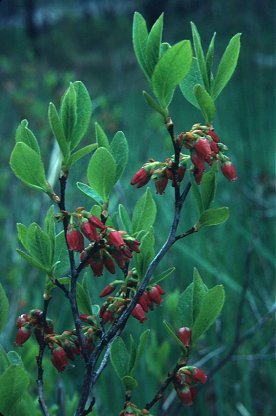
This zone has floristic affinities to the zones surrounding it. Species such as subalpine fir, grouseberry, black-huckleberry, and Utah honeysuckle indicate the Montane Spruce Zone's connection with the Engelmann Spruce-Subalpine Fir Zone, while the occurrence of Douglas-fir, pinegrass, and soapberry reflects its close association with the Interior Douglas-Fir and Sub-Boreal Pine-Spruce zone. The Montane Spruce Zone is dominated by lodgepole pine forests that have replaced forests after fires. Many of the tree species in this zone have developed fire resistant bark due to the frequent number of forest fires because of the dry climate. Lodgepole pines regenerate after wildfire thanks to its serotinous cones that open in the heat of fire.
Lodgepole Pine Black Huckleberry Subalpine Fir


Wildlife
The mountain pine beetle is a prevalent species of insect that dominate the lodgepole pine forests in this zone. Lodgepole pine represent a prime food source for these beetles and following an extensive beetle outbreak, many dead lodgepole pines will be left standing or lying on the floor which accumulate and set the stage for a wildfire which can occur soon after the trees die or years later.
Many of the species in this zone have adapted to the zone's fire regime, often taking advantage of the dead lodgepole pine or the young shrub dominated plant communities that occupy burned lands for 10-20 years after the disturbance. Wildlife in this zone is adapted to the deep winter snows or they avoid it all together by migrating during the winter months like most ungulates (hooved animals). This zone is home to ungulates like caribou, moose and mule deer, different species of Woodpecker, and other varieties of birds and fur-bearing mammals like grizzly bears, big-horn sheep and the golden-mantled ground squirrel. Waterbirds and amphibians are located in the wetland areas. The food in fast-moving streams attracts the American Dipper and Harlequin Duck, the spotted frog, western toad and long-toed salamander. Moose and mule deer also inhabit this area, as the moist conditions are favourable for rearing their young.
Mountain Pine Beetle Harlequin Duck Golden Mantle Ground Squirrel


Resources
Timber harvesting is an important economic activity in the Montane Spruce Zone. Sawlogs and pulpwood from this zone constitute a substantial source of fibre in the dry southern interior. The main agricultural activity in this area is cattle grazing. Some fur harvesting takes place here and many valuable fishing, camping and hunting areas are located here. In addition, because this Zone occupies many areas of rolling plateaus, it contains numerous lakes, which provide good fishing as well as hunting for wildlife species.